




GLASS ONLY
From Everyday Vase to Statement Piece in Modern Interiors
The Vase as We Know It
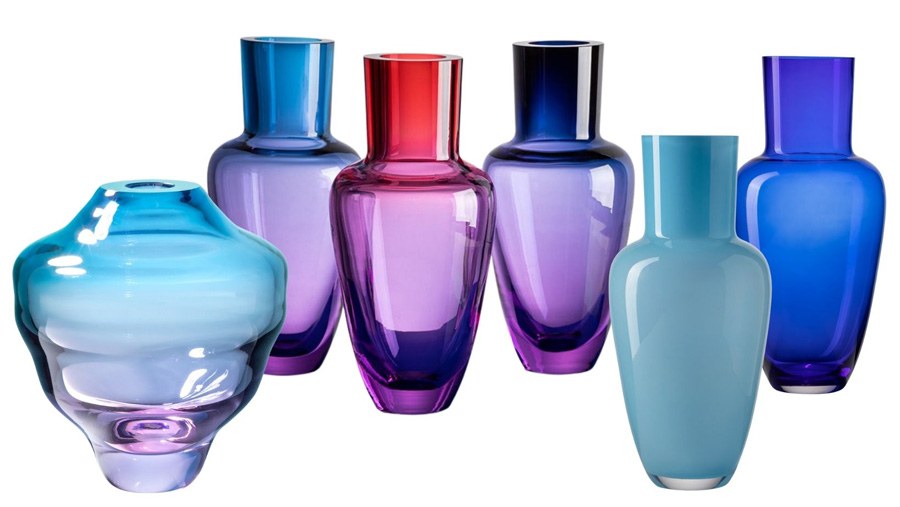
For many, a vase has long been seen as simply a vessel — a functional object to hold flowers and little more. It’s often chosen quickly, with minimal thought, as long as it “does the job.” Glass vase, in particular, is expected to be neutral, transparent, and almost invisible. Yet, even within this seemingly simple object lies a surprisingly wide range of expression. From understated forms to intricately crafted pieces, a glass vase can transition from a quiet background element to a defining centerpiece — not by altering its function, but through the artistry of its design. 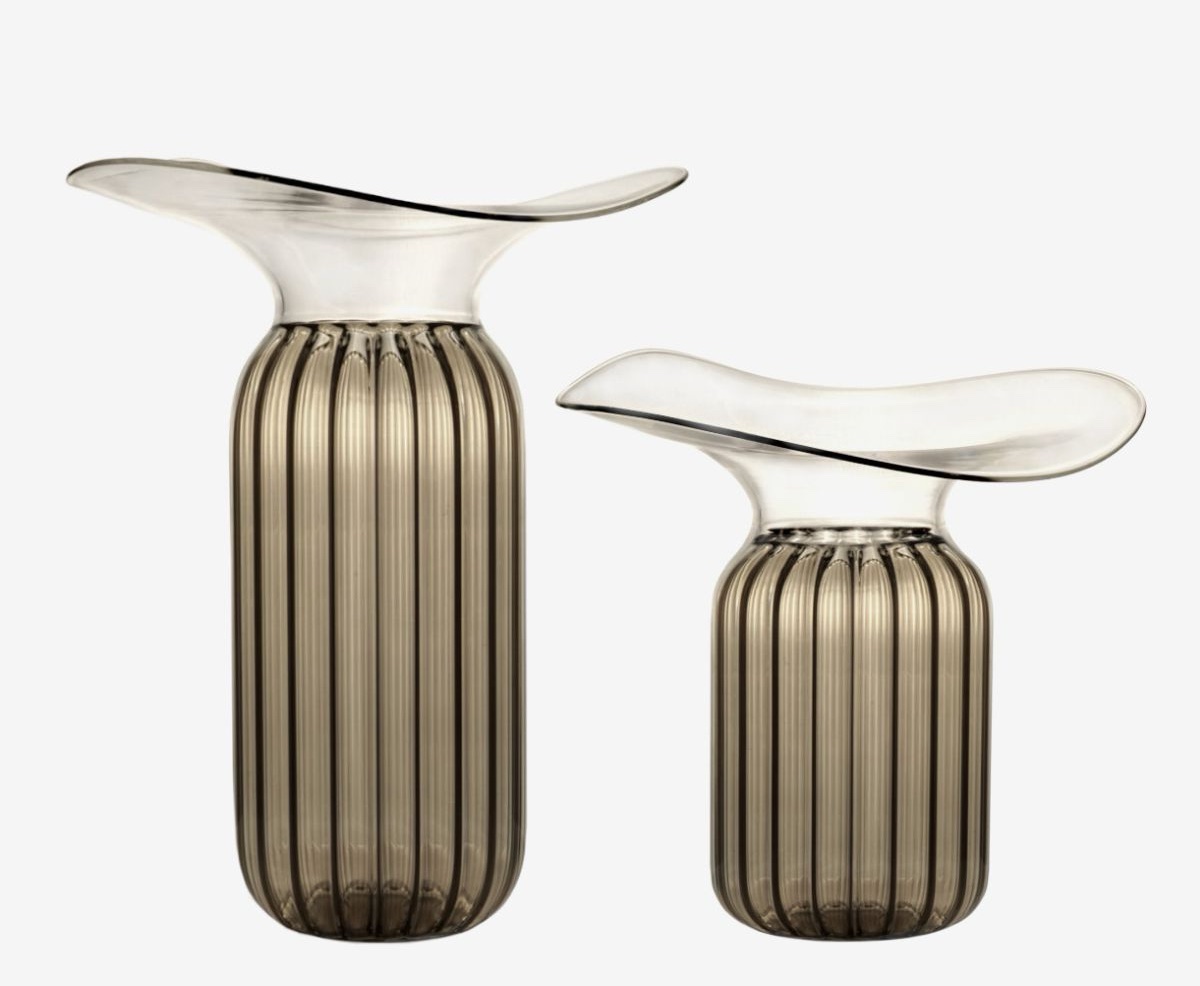
At its essence, a vase is a container. It holds water, supports stems, and quietly occupies its place within a space. In glass, this simplicity often translates into clean lines and clear or softly tinted surfaces.
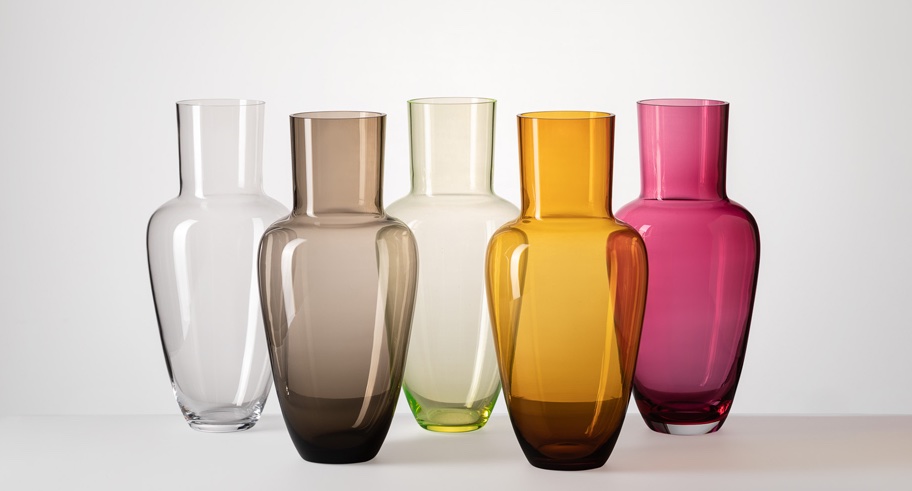
Some of the most celebrated vases by Frantisek Jungvirt reflect this minimalist philosophy — staying true to the concept of a "typical vase" while hinting at something more through their flawless proportions or rich color density. These pieces don't disappear into the background; instead, they remain subtly noticeable, with finishes ranging from transparent to opaque, perfectly suited for modern interiors.
When Form Becomes Intentional
A subtle shift in form can change everything. When a vase's silhouette becomes more defined — leaning toward the sculptural or even the architectural — it begins to transcend its purely functional role. It still holds flowers, but now it also holds space.
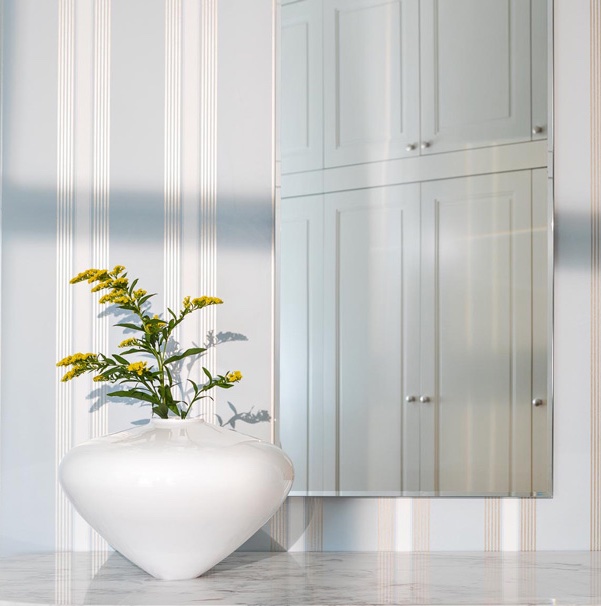
Jungvirt's more expressive designs, such as the Fleur series, exemplify this transformation. Minimalist in their approach, these forms command attention with their striking presence. The glass vase is no longer just an object resting on a surface — it becomes an integral part of how that surface is experienced and perceived.
Glass as Craft: Decoration and Technique
At a certain point, a vase moves beyond function and becomes a work of art. Through intricate embellishments and masterful glass techniques, it transforms into a carrier of detail, narrative, and visual richness. The surface is no longer neutral — it is layered, expressive, and alive with craftsmanship.
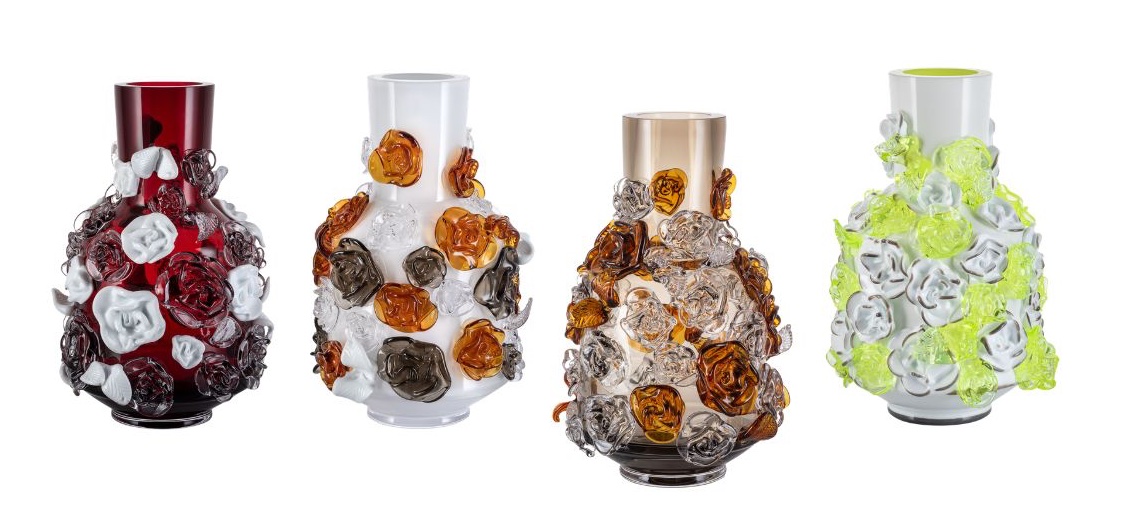
The Opulent Collection by Lukas Jaburek perfectly exemplifies this shift. Floral elements are not mere afterthoughts but are seamlessly integrated into each design, making every vase a work of art rather than simply a vessel for flowers. These decorative glass vases command attention, becoming the focal point of any space.
Cut Glass Artistry
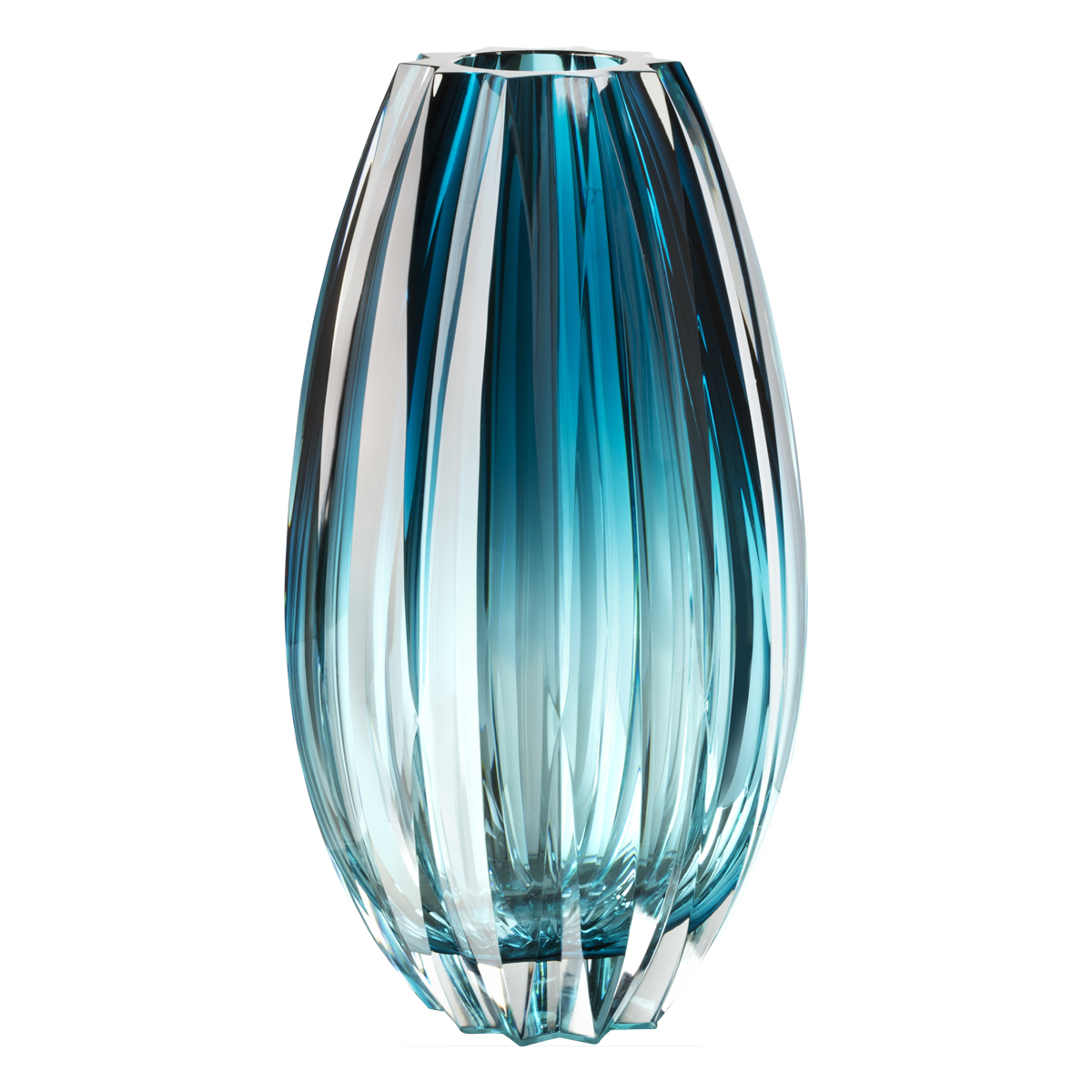
In cut glass, the artistry takes on a different form — one of precision and geometry. Light is refracted and structured, with the surface bearing the marks of its meticulous creation. Whether in Jaburek's work or in pieces by Crystal Creative, cut glass invites a closer look, revealing the story of its making.
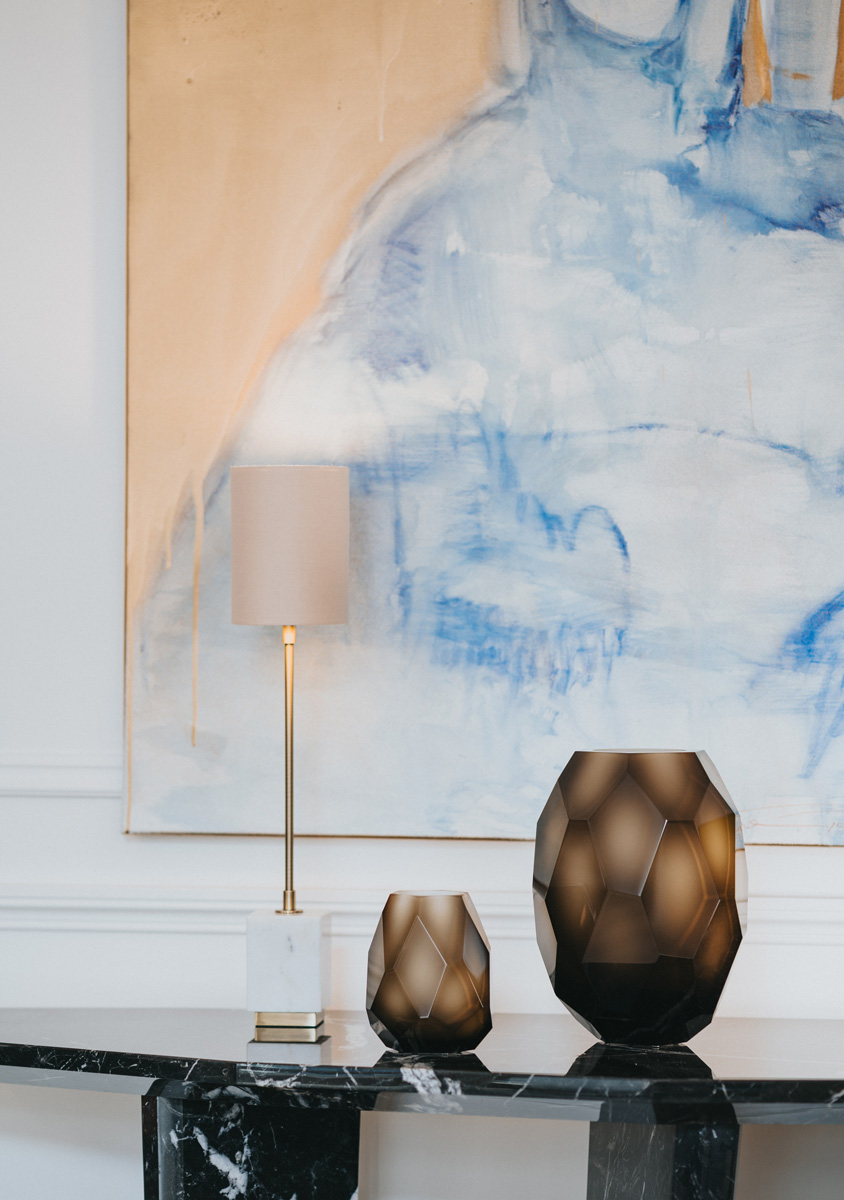
These glass vases become conversation pieces, where every facet tells a story of skilled craftsmanship. The interplay between light and cut surfaces creates dynamic visual experiences that change throughout the day, making them living elements within your interior design.
Glass Poetry & Heritage: Venetian Glass
Venetian glass has long been celebrated for its artistry. Known for its fluid forms and intricate textures, it often carries a sense of heritage while embracing modern design interpretations.
The vases by Kanz Architetti, such as Madame and Tosca, fully reflect the Venetian spirit through their delicate craftsmanship and refined aesthetics. Made from fine, almost weightless borosilicate glass, these pieces embody an ethereal quality. Yet, they don't aim to blend in; instead, they assert themselves with quiet theatricality, drawing attention through their undeniable elegance and beauty.
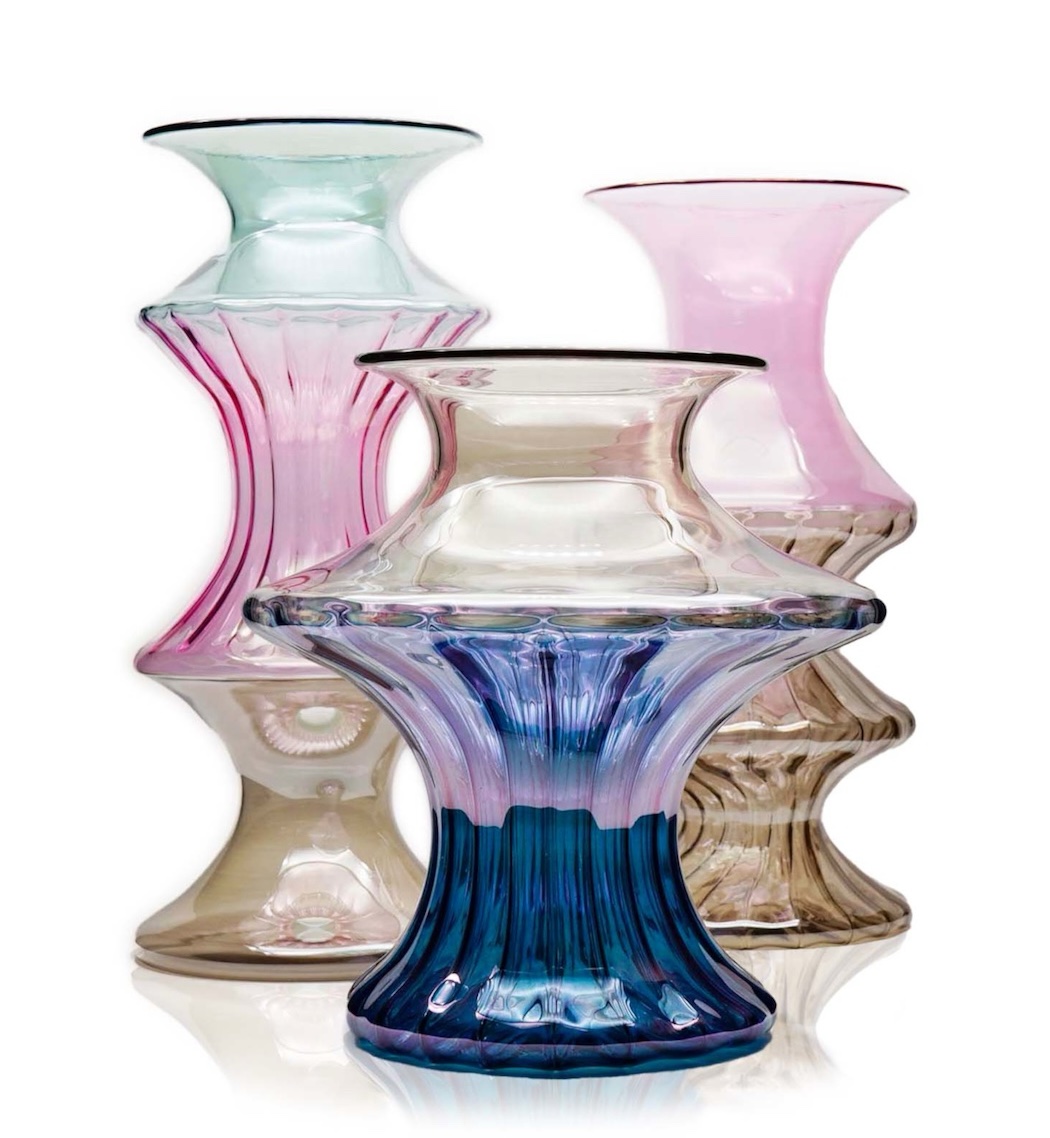
At this stage, the glass vase transcends its functional purpose. It becomes a poetic statement — an ultimate centerpiece that defines the atmosphere and brings a sense of artistry and refinement to any space.
Closing Reflections: The Art of Glass
What begins as a simple vessel unfolds into a range of possibilities. A glass vase can remain understated — or become the element that anchors an entire space. Whether filled with flowers or left intentionally empty, it draws attention, adds character, and shapes the atmosphere around it. In the end, the story of the vase mirrors the story of design itself: the transformation of a functional object into something expressive, lasting, and deeply personal.
Explore our curated selection of glass vases and discover how each piece approaches this balance in its own way.
 July 18, 2026